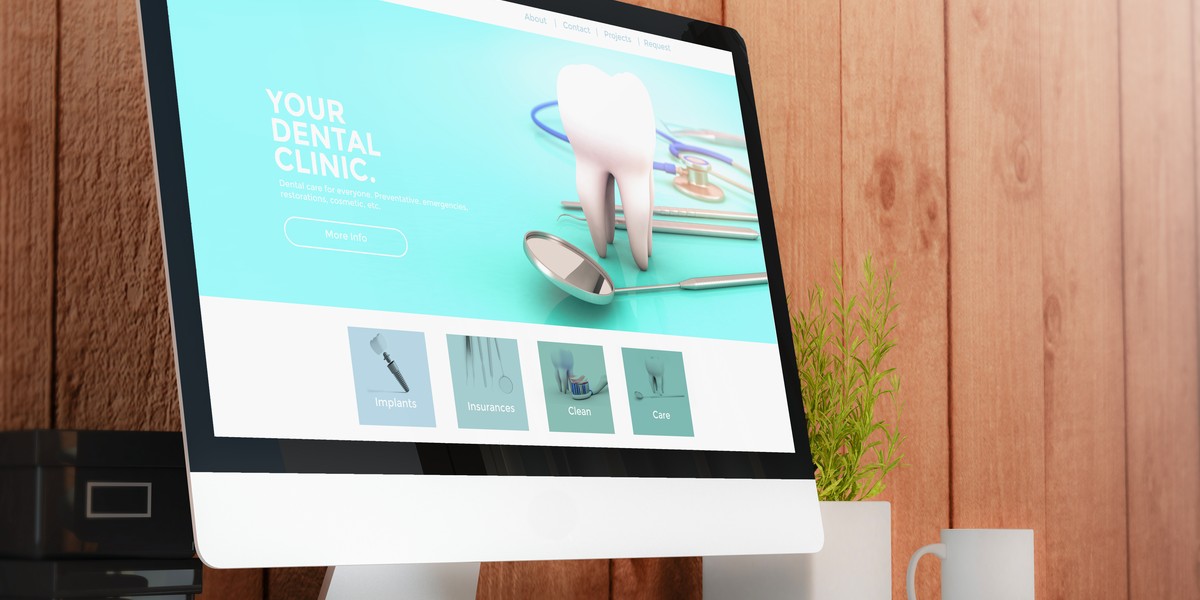

In 2026, a dental website needs to do more than simply look professional. Patients expect a modern website that loads quickly, is easy to navigate, and helps them find the information they need quickly. Whether they want to book an appointment, learn about treatments, or see who might be treating them, the experience should help even the most nervous of patients feel reassured and confident to get in touch.
The best dental websites also help practices grow by building trust and attracting new patients through search engines. In a competitive market, a strong website can make the difference between a patient choosing your practice or moving on to another one.
AI and Answer Engine Optimisation
Search habits are changing. Less than 40% of searches today are text-based, with the majority of searches now happening through visual inputs like voice queries. Instead of simply showing a list of websites, many search engines and AI tools often provide quick answers pulled from multiple trusted online sources.
Dental websites, therefore, need to make sure their content is genuinely helpful, clear, and easy for search engines and AI systems to understand. Simple headings, clear treatment information, frequently asked questions, and location details all help give pages a better chance of appearing in search results and AI-generated answers.
Good Answer Engine Optimisation (AEO) also focuses on trust and accuracy. Dental practices should ensure their websites include up-to-date information, real clinician details, transparent pricing where possible, and useful educational content written in plain English to help both patients and search engines better understand the practice.
As AI search continues to grow, dental websites that answer common patient questions clearly and directly are likely to have a stronger online presence and reach more potential patients.
Is SEO still needed?
Despite the rise of AEO, SEO is still important in 2026, as traditional search engines like Google continue to play a major role in how patients find dental practices online. In many cases, AI answer engines also rely on information taken from websites that already rank well in search results.
Keywords are still an important part of SEO, so dental practices should use clear, relevant phrases that patients are actually searching for, such as “Invisalign in London”, “emergency dentist near me”, or “teeth whitening cost”. These keywords should appear naturally within page titles, headings, service pages, FAQs, and blog content rather than being overused.
In 2026, good SEO is less about trying to “game” search engines and more about creating useful, trustworthy content that matches what patients are looking for online.
Mobile friendliness
Patients in 2026 expect websites to work smoothly on all screen sizes. Over 80% of internet users in the UK search on their mobile phone, so a mobile-friendly site makes it easier for them to browse treatments, contact the practice, and book appointments without having to zoom in or struggle to tap buttons.
Pages should load quickly, menus should be simple to use, and important information needs to be easy to find.
Dental practices can improve mobile friendliness by:
- Using responsive website design that adapts to different screen sizes
- Compressing large images to improve loading speeds
- Keeping page layouts clean and uncluttered
- Making forms short and easy to complete on a mobile phone
- Adding click-to-call buttons for quicker contact
- Using mobile-friendly online booking systems to make appointments easier to arrange
Mobile friendliness also supports SEO, as search engines prioritise websites that perform well on mobile devices.
Authentic content
People are becoming more selective about the websites they trust, and authentic content plays an important role in helping dental practices appear genuine, professional, and approachable. Websites filled with generic stock images and vague marketing language are more difficult for patients to connect with.
Patients want to know what they can expect when they visit a dental practice, and who they will be treated by. Authentic content includes real photos of the practice and team members, as well as before-and-after treatment photos, where appropriate. Clear and honest information, genuine patient testimonials, and naturally written content can help patients feel confident enough to contact the practice.
Keeping website content updated is also important, as outdated information and photos can make a practice feel less reliable. Regularly reviewing service pages, adding recent patient feedback, and keeping practice information up to date helps keep the website relevant and makes it easier for search engines and AI tools to understand and recommend the website to those searching.
EEAT
EEAT is a set of ideas used by search engines to help judge how useful a website is. For dental websites, this is especially important because the information shared can directly impact patient health decisions.
Experience
Experience refers to showing that the content is based on real, practical knowledge. For dental websites, this means explaining treatments in a way that reflects real patient care and everyday clinical situations. It also helps when content is written or reviewed by people who have direct experience in dentistry, as their knowledge will make sure it is accurate.
Expertise
Expertise is about demonstrating professional knowledge. Dental websites can show this clearly by including information about the qualifications, training, and specialisms of their dental staff. Well-written treatment pages that explain procedures accurately, but in language patients can understand, also indicate a good level of expertise.
Authoritativeness
Authoritativeness looks at if a website can be seen as a reliable source within its field. Dental practices can show their authority by being mentioned on trusted directories, getting genuine patient reviews, and answering common patient questions in the content they write, making sure this is clear and helpful.
Trustworthiness
Trustworthiness measures how safe and reliable a website is. No matter their industry, sites need clear contact details, transparent information, secure connections, and honest communication to build trust with visitors and signal that they are trustworthy. For dental websites, trust also involves making it easy for patients to see who is providing their care.
When all four elements of EEAT are good, a dental website becomes much more reliable in the eyes of both patients and search engines, improving how the website performs in search results, whilst also making it easier for patients to choose a practice with trust and confidence.
Accessible design and layout
A website needs to be easy for everyone to use, including those with visual, hearing, or motor difficulties. A truly accessible website does not exclude anyone from finding the information about dental care they need and then using it how they see fit.
Good accessible design focuses on clarity and simplicity, including:
- Using clear, easy-to-read fonts
- Making sure there is a strong contrast between text and background
- Organising pages so key information is easy to find
- Keeping navigation menus simple and consistent across the site
Making the website usable with devices and tools like screen readers or keyboard navigation is also a big part of accessibility. Images should have text descriptions where needed, and important actions like booking an appointment should not rely on complex interactions.
By improving accessibility, dental websites support a wider range of patients and creates a smoother, more user-friendly experience for everyone.
Improving your website with the help of professionals
An effective dental website in 2026 involves lots of different elements working together, from how information is presented to how easily people can use it on different devices. When these are thoughtfully designed, created and kept up to date, a website can act as a key part of patient communication and practice growth.
Working with experienced web professionals like our team at Click Finder can help ensure that all of these areas are properly considered and applied consistently. This allows dental teams to focus on patient care while their website continues to support visibility, usability, and engagement over time.
FAQs
How do keywords help dental SEO?
Keywords help search engines understand what a dental website offers and which patients it could help. Using phrases such as “emergency dentist” or “Invisalign treatment” in page titles, headings, and website content can improve search visibility online. This makes it easier for nearby patients to find dental services through search engines.
Using keywords properly also helps organise website pages and content clearly, as dental practices can build pages around treatments, locations, and common patient questions people often search for online. The keywords practices choose to target should feel natural and reflect real searches, and be used in clear and helpful content that helps search engines understand and rank website pages more effectively overall.
When should a dental website be updated?
Dental websites should be updated whenever important practice details change, including opening times, contact information, treatments, prices, or team members. Regular updates also help keep website content accurate and useful for patients searching online. Old information can lower trust and may affect how search engines read and rank the website correctly.
Dental practices should set aside time every so often to check their website content every few months for old pages, broken links, or outdated images. Adding new blogs, patient advice, or treatment pages can also improve website traffic and visibility. Regular updates show the practice is active, professional, and shares up-to-date information for patients online.
Why should dental practices hire professionals like Click Finder to improve their website?
Dental practices often work with professionals because website design, SEO, accessibility, and mobile performance all need expert knowledge. Experienced agencies like Click Finder can spot technical issues, improve the user experience, and create content that supports better search visibility. This helps practices appear more professional online and improve patient interaction online.
Working with website professionals can also save time and help with long-term website management. Regular updates, security checks, content changes, and performance testing are important for keeping dental websites effective in 2026. Professional support allows dental teams to focus on patient care while their website continues to meet modern online expectations consistently.