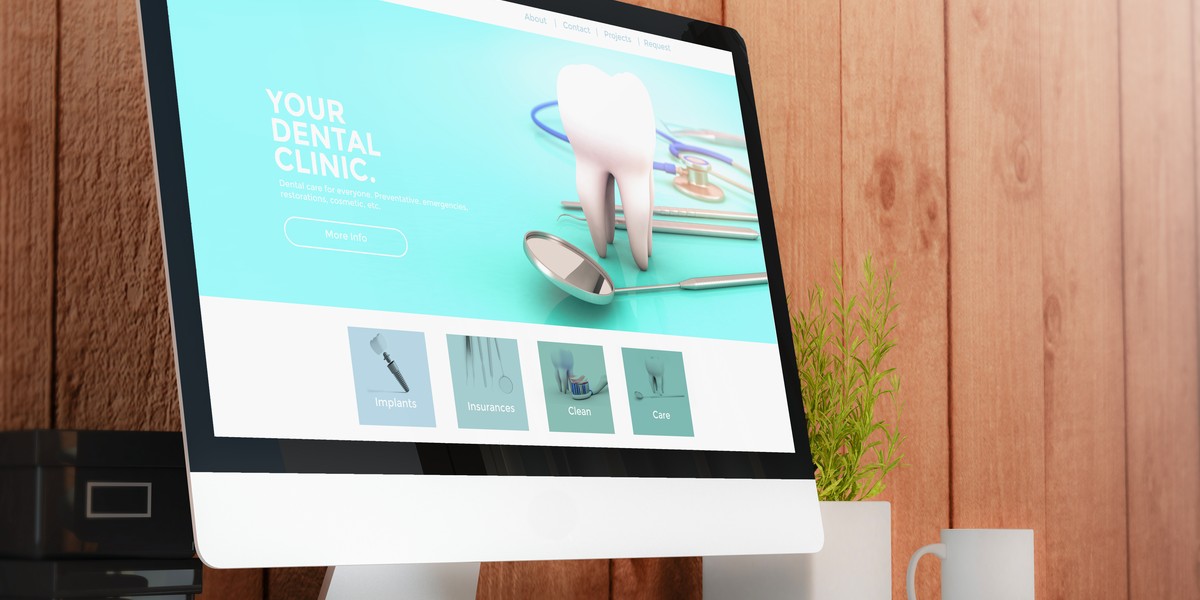

Creating a strong online presence is essential for any dental practice that wants to attract more patients.
A well-planned dental website can showcase your services, reflect your brand, and support your long-term marketing goals. Thoughtful website design helps your site rank high on search engines, improves patient engagement, and strengthens trust from the moment visitors land on your home page.
Here’s every step involved in web design for dentists, with practical insights that specifically apply to the dental sector across the UK.
Understanding the needs of dental patients online
What patients look for on a dental website
When people search for dentists, they expect a dental website that feels clear, modern, and easy to navigate. Most visitors want fast access to essential details about the practice, such as treatments, pricing, opening hours, and ways to get in touch. A polished dental website design can reassure new patients that the practice is professional and ready to help.
A successful website also reflects the wider patient journey. Many visitors arrive with questions about treatments, oral health concerns, or the reputation of the dental practice. If your web pages provide quick answers, the site naturally supports patient acquisition and attracts more patients. Simple navigation, short paragraphs, and clear calls to action all help people move through the site with confidence.
Patients also want assurance that the practice uses high-tech equipment and modern techniques. Specialist practices offering implants, orthodontics, or cosmetic dentistry should highlight these strengths. Authentic practice photography adds credibility and supports a positive first impression.
Common pain points to address early
Some dental practice websites lose visitors because the design feels cluttered or unfriendly. Confusing menus, heavy text, and inconsistent branding can make people abandon the site within seconds. Reducing these distractions is essential for strong patient engagement.
Slow loading times are another major issue. A slow site affects performance on search engines and makes visitors feel the practice is out of date. Optimised images, reliable hosting, and good development habits help improve speed and overall functionality.
Adding new pages without planning can also weaken the structure. Thoughtful keyword research ensures each page supports your SEO goals and fits naturally within your dental marketing strategy. This approach helps the site attract new clients and improve long-term performance.
Planning the structure of your dental practice website
Mapping essential pages for clarity
A clear structure is the foundation of effective dental web design. Before developing a new website, outline every page you need and how they connect. A typical dental practice website includes a home page, services pages, team information, pricing, contact details, and practical features such as online booking.
Specialist practices may include extra sections for implants, orthodontics, or advanced cosmetic work. Each page should have a clear purpose and give helpful information. This structure helps search engines understand your content and increases visibility for relevant searches.
You might also include dedicated pages for emergency care, hygiene appointments, or child dentistry. These targeted pages support patient acquisition and attract visitors searching for specific services.
Creating intuitive user journeys
An intuitive patient journey helps guide visitors towards key actions. Whether the aim is online booking, phoning the practice, or reading about treatments, your design should support these steps naturally.
Consider what new patients expect when they arrive. Many want reassurance about qualifications and the range of services offered. Others want clarity about costs or want support for dental anxiety. A well-planned journey helps visitors find what they need with minimal effort.
Your design should also support returning clients who simply want to book an appointment or confirm opening hours. Fast access to these practical features improves patient engagement and strengthens long-term loyalty.
Designing a clean and professional visual style
Choosing a colour palette that builds trust
Visual consistency strongly influences first impressions. A clean, professional colour palette helps your website reflect your brand values and show that your practice is reliable. Calm tones such as blues, greens, and soft neutrals often work well for dentistry because they create a soothing and reassuring atmosphere.
Consistency across all web pages helps the site feel cohesive. Buttons, headings, and backgrounds should follow the same palette so the website feels organised and trustworthy. This also helps reinforce your new brand and makes your business more recognisable both offline and online.
Selecting fonts and imagery appropriate for healthcare
Fonts play a major role in readability. Dental websites should avoid overly decorative typefaces and instead use clean, accessible options that support clarity. A strong heading font paired with a simple body font helps create a professional tone.
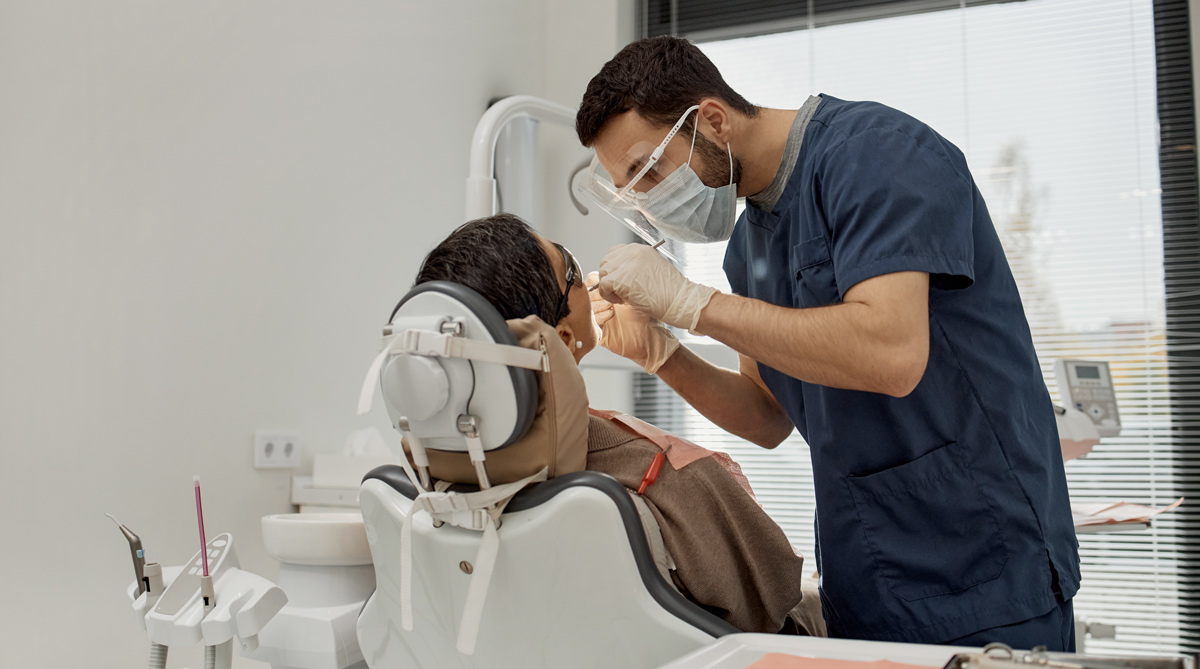
Practice photography is one of the most powerful ways to personalise your website. High-quality images of the clinic, team, and equipment give visitors a realistic sense of the environment. Authentic photography builds trust and showcases the detail and care within the practice. For bespoke dental websites, original imagery offers a strong advantage over generic stock photos.
Showcasing treatments and services effectively
Presenting NHS and private services clearly
Clear information about treatments is essential for patient confidence. If your practice offers both NHS and private services, patients want to understand the differences between them, including what each treatment involves, and what outcomes they can expect. Well-written service pages help visitors make informed decisions without feeling overwhelmed.
Each treatment page should explain the process, suitability, and benefits. This is particularly important for implants, cosmetic dentistry, and orthodontics, where patients often seek clarity before making a commitment. Detailed pages also improve SEO and help your site rank high for treatment-specific searches.
Using treatment pages to reduce patient anxiety
Dental anxiety is widespread, so treatment pages should reassure and support nervous patients. Use friendly and accessible language, break content into short sections, and avoid overly technical explanations. This approach makes dentistry feel far less intimidating.
Images, videos, and diagrams can help explain procedures more clearly. Visual tools show that your practice cares about transparency and patient comfort. When people understand what to expect, they are more likely to contact the practice to discuss their needs.
Treatment pages should also highlight the expertise of your team. Visitors want to know who will be carrying out the procedure and what qualifications they hold. This helps build trust and attracts new clients seeking expert care.
Building trust with key practice information
Highlighting clinician qualifications and backgrounds
Strong biography pages are essential for trust. Patients want to know who will treat them and what experience the team has. Your dental website should include detailed information about training, specialist interests, and professional achievements.
These pages help differentiate your practice within a competitive industry and support patient acquisition. They also help visitors feel connected to the people behind the brand, which strengthens engagement.
Explaining pricing, payment plans, and finance options transparently
Clear pricing is one of the strongest signals of honesty. Many patients avoid treatment because they worry about unexpected costs. A transparent list of prices for routine care and guidance for more complex treatments helps remove that barrier.
Payment plans and finance options should be explained in simple language so patients understand their choices. This encourages more patients to consider long-term care and supports overall lead generation.
Clear pricing also contributes to better SEO, as many people search for cost-related terms when comparing dental services.
Making your website accessible and easy to use
Meeting accessibility standards for all users
Accessibility is an important part of professional website design. Your site should be easy to use for people with visual, auditory, or mobility challenges. Good colour contrast, readable fonts, descriptive alt text, and intuitive layouts all improve accessibility.
Search engines reward websites that offer an excellent user experience, so accessibility improvements also support SEO and strengthen overall visibility.
Creating mobile-friendly layouts for on-the-go browsing
Most visitors browse dental practice websites on mobile devices, so your website must be mobile-friendly. Responsive design helps web pages adjust smoothly to different screen sizes, making the site easy to use anywhere.
Mobile visitors often want quick access to online booking, contact details, or emergency information. A clean layout ensures they can find what they need without frustration.
Google prioritises mobile-friendly sites in search results, which directly affects visibility and patient acquisition.
Enhancing engagement through useful features
Integrating online booking and appointment requests
Online booking is one of the most valuable practical features for modern dental practices. It offers convenience for patients and improves control for the practice. A smooth booking system supports the patient journey and increases conversions.
Online booking can significantly boost lead generation, as some visitors prefer booking online rather than calling. Additional tools, such as callback forms and instant chat features, help make the website more accessible and supportive.
Adding FAQs, resources, and oral health guidance
Patients appreciate helpful guidance that explains dental procedures and offers practical advice. FAQs and resource pages reduce pressure on reception teams and support SEO by offering valuable, search-friendly content.
Guides, videos, and articles also reinforce the expertise of the practice. They help attract visitors, build authority, and support a long-term dental marketing strategy.

Improving visibility with local SEO for dentists
Optimising content for local search and maps
As part of a wider digital marketing strategy, local SEO is essential because most patients look for nearby dental services. Your content should include local terms naturally and provide clear contact information. Accurate listings and a well-maintained Google Business Profile help search engines understand the relevance of your site.
Technical elements such as schema markup, consistent business details, and structured data all support visibility and improve local rankings.
Encouraging and managing online reviews responsibly
Online reviews play a major role in patient decisions. Encouraging satisfied clients to leave honest feedback helps build trust and strengthens your local SEO. Responding politely and professionally shows that the practice values patient experience.
Reviews also reveal what patients appreciate most about your services, which can help guide future development and marketing plans.
Come to Click Finder for a beautiful new website and digital marketing expertise!
At Click Finder, we do more than build a website. We apply our knowledge and experience across all projects so your dental practice benefits from creative design, strong SEO, and a clear focus on results. As a specialist agency, we ensure your new website reflects your brand, supports your services, and gives patients confidence from the very first visit.
Every project is handled with care and precision. We plan structure, develop smooth user journeys, and create designs that feel modern and professional. With reliable support, clean code, and tailored SEO, we help your practice grow while delivering a site that works perfectly on every device.
If you want a trusted digital partner with industry knowledge and a commitment to delivering measurable results, Click Finder is ready to help. We focus on producing a high-performing website that attracts clients, strengthens your online presence, and helps your dental practice succeed.
FAQs
What website features make patients more likely to book an appointment?
Easy-to-use features make patients more likely to book an appointment. Clear menus, readable text, and quick access to opening hours and prices help people feel confident. A simple contact page with clear details also reassures patients that the practice is organised and ready to help.
Online booking is one of the strongest drivers for action, as patients can choose a time without calling. Short forms, fast loading pages, and mobile-friendly design also make booking easier. When a website feels welcoming, trustworthy, and simple to use, patients are far more likely to book an appointment straight away.
How does website speed impact a patient’s first impressions of a dental practice?
Website speed has a big effect on a patient’s first impressions. If a site loads quickly, it feels modern, professional, and well cared for. Patients are more likely to trust a dental practice when the website responds straight away, as it suggests the team pays attention to detail and values a smooth experience.
If the website is slow, patients may become frustrated and leave before seeing your services. A slow site can make the practice seem outdated or disorganised. Fast-loading pages help patients feel confident, stay longer, and explore the information they need without delay.
Should a dental website focus more on design or patient usability?
A dental website should focus mainly on patient usability, because visitors need to find important information quickly. Clear menus, simple layouts, and easy-to-read text help patients feel comfortable and able to take the next step. If the site is straightforward to use, patients are more likely to stay and explore your services.
Good design still matters, but it should support usability rather than distract from it. Clean colours, friendly images, and tidy pages help create a positive first impression without making the site confusing. The best dental websites balance both, but always put patient needs and ease of use first.
What role do images, videos, and visuals play in patient comfort and confidence?
Images, videos, and other visuals can help patients feel more comfortable by showing what the practice looks like and how treatments work. Seeing friendly team photos and clean treatment rooms helps reduce worry, as patients know what to expect before they arrive. Simple visuals can also make information easier to understand.
Videos and diagrams can explain procedures in a calm and clear way. This helps patients feel more confident, especially if they are nervous or unsure. When visuals are warm, honest, and easy to follow, they build trust and make the whole experience feel more welcoming and reassuring.
Which web design mistakes can frustrate patients and cause them to leave a site?
Patients can become frustrated if a dental website is slow, confusing, or hard to navigate. Poorly organised menus, long blocks of text, or unclear contact details make it difficult for visitors to find the information they need. This can lead them to leave the site quickly.
Other common mistakes include non-mobile-friendly layouts, broken links, and cluttered pages with too many images or ads. If the site feels outdated or unprofessional, patients may doubt the quality of the practice. Clear design, fast loading pages, and simple navigation help keep patients engaged and encourage them to book an appointment.
How important are testimonials and reviews on a dental website?
Testimonials and reviews are very important because they help patients feel confident in choosing a dental practice. Reading about other patients’ positive experiences reassures visitors that the team is professional, caring, and reliable. This can make new patients more likely to contact the practice.
Reviews also provide social proof and help build trust quickly. Even a few honest comments about treatments, team friendliness, or the practice environment can influence decisions. While clear information and easy navigation are essential, having reviews visible on a dental website strengthens credibility and encourages patients to take the next step.
Can we use navigation structures to our advantage to help patients find information?
Yes, navigation structures can be very helpful for patients. Clear menus, headings, and organised web pages make it easy for visitors to find the information they need. Grouping related services together and using simple labels helps patients understand the site quickly and reduces frustration.
Breadcrumbs, search bars, and links between pages can also guide users through the patient journey. Good navigation ensures that important details like treatments, pricing, and contact information are easy to access. When patients can move around the website without confusion, they are more likely to stay, explore services, and book an appointment.
Does SEO directly influence patient experience?
SEO can influence patient experience by making it easier for visitors to find the information they need. Well-optimised content helps patients quickly locate services, pricing, and contact details, which reduces frustration and makes the site feel more helpful and professional. Clear headings, concise text, and logical page structure all improve both SEO and usability.
Good SEO also ensures that important pages load quickly and perform well on mobile devices. This makes browsing smoother and more enjoyable. When a website is easy to use and find through search engines, patients are more likely to trust the practice and take the next step to book an appointment.
Should I use a chatbot or live chat feature on my site, and does it improve patient satisfaction?
Using a chatbot or live chat feature can help patients get quick answers and support, such as checking opening hours, asking about treatments, or booking appointments. This instant access can make the website feel more helpful and improve patient satisfaction. It can also guide visitors through the patient journey and reduce pressure on reception staff.
However, chat features can have disadvantages. Automated chatbots may give generic or incorrect answers, frustrating patients. Live chat requires staff to respond promptly, which may not always be possible. If not managed well, these tools can create confusion rather than improving the patient experience.
Is it better to have a single, comprehensive website or separate landing pages for specialised services?
Having separate landing pages for specialised services is often better because it allows patients to find detailed information quickly. Pages focused on treatments like implants, orthodontics, or cosmetic dentistry can explain procedures clearly, show relevant images, and answer common questions. This makes it easier for visitors to understand what the practice offers and helps guide them through the patient journey.
A single, comprehensive website can still work if it is well organised, but it may be harder for patients to locate specific services. Separate pages also support SEO, helping the practice rank high in search engines for individual treatments.